
There is nothing quite like floating underwater. The silence, the soft movement of the ocean, and the simple joy of adventure make every dive unforgettable. Whether you are enjoying the shallows or heading deeper for a new challenge, the underwater world always feels special.
But the deeper you go, the more your body starts to react to the pressure around you. Understanding these changes is key to staying safe and enjoying every dive.
Nitrogen Narcosis, sometimes called the “Raptures of the Deep” or the “Martini Effect,” may sound dramatic, but it is actually a normal and manageable part of deep diving.
This guide will explain what narcosis is, why it happens, and how you can recognize and respond to it so your next dive feels smoother and more enjoyable!
What is Nitrogen Narcosis?
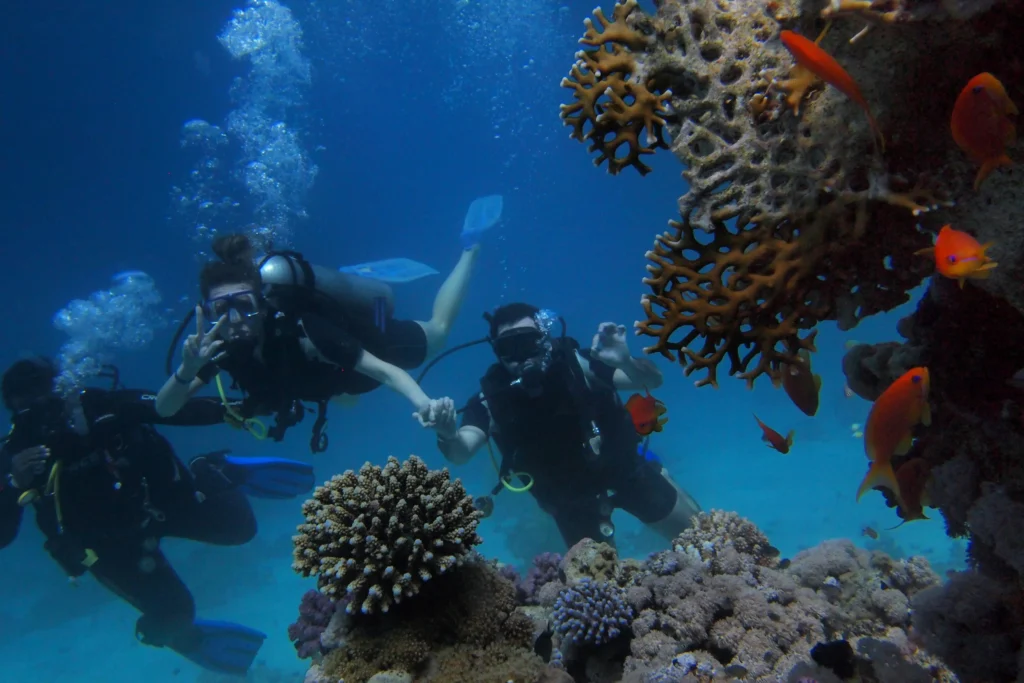
Nitrogen narcosis is a temporary change in awareness that happens when you breathe gases under pressure. As you go deeper, the increased pressure makes nitrogen act like a mild anesthetic. This slows your thinking and affects how clearly you can process information.
The feeling is often compared to mild drunkenness. Tasks that are normally easy can become confusing, and your judgment may not be as sharp. Some divers feel relaxed or silly, while others may feel anxious or unfocused.
Narcosis can happen at many depths and affects everyone differently, but it becomes more noticeable as you go deeper. The good news is that it is completely reversible. Simply ascending to a shallower depth clears the symptoms within minutes.
Signs and Symptoms of Nitrogen Narcosis?
Nitrogen narcosis shows up differently for every diver, and its effects tend to become more noticeable as you go deeper. The signs can be gentle at first, then gradually affect how clearly you think and react underwater.
Here is a simple overview of what divers commonly experience at different depths.
| Depth | Symptoms |
|---|---|
| 0–10 m (0–33 ft) | Most divers feel completely normal. If anything changes at all, it is so slight that it is easy to miss. |
| 10–30 m (33–100 ft) | Thinking may feel a little slower than usual. Simple tasks may take more effort, and you might feel slightly relaxed or lightly euphoric. |
| 30–50 m (100–165 ft) | Reactions become slower. It can be harder to focus or make quick decisions. You may get stuck on one idea, feel unusually confident, or become talkative. In colder or murkier water, some divers feel a bit anxious. |
| 50–70 m (165–230 ft) | Judgment becomes noticeably affected. Confusion, dream-like sensations, or mild hallucinations are possible. Responding to signals may take longer. Some divers feel dizzy, overly amused, or suddenly frightened. |
| 70–90 m (230–300 ft) | Concentration drops sharply. Memory becomes unreliable, coordination decreases, and emotions may feel stronger or more unpredictable. |
| 90 m+ (300+ ft) | Sensations can become intense. Vision and hearing may feel distorted, balance can shift, and emotions may swing quickly. At extreme depths, divers risk losing consciousness. |
Also read: Diver Safety Guide: Essential Checks and Tips for Every Dive
What Causes Nitrogen Narcosis?
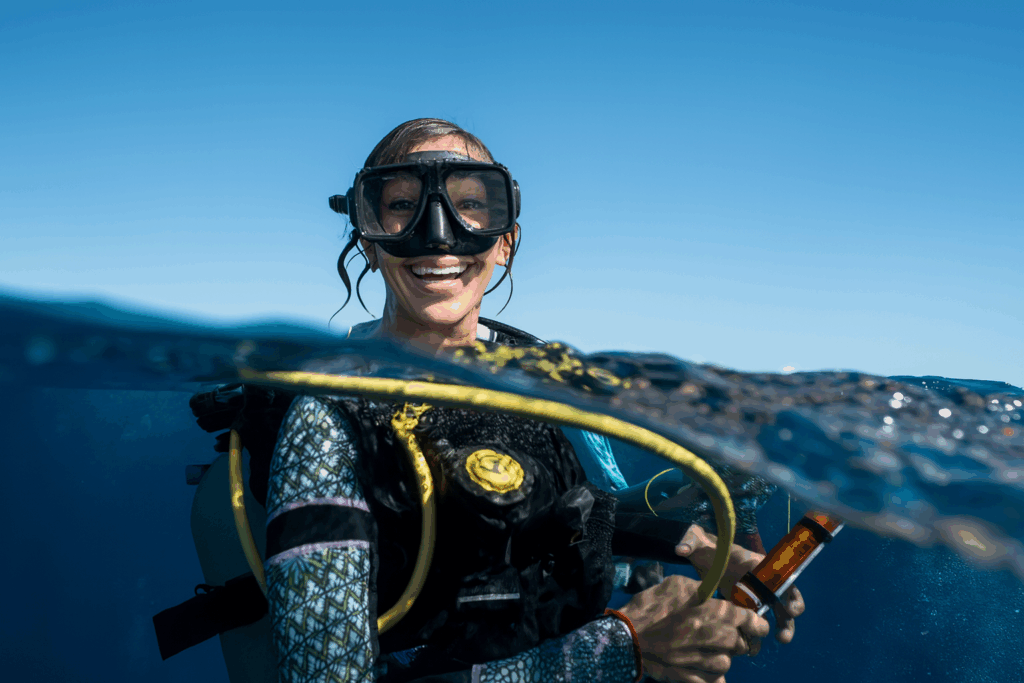
Narcosis mainly occurs because of the pressure you experience as you go deeper underwater. Higher pressure makes the gases you breathe dissolve more easily in your body, which affects how clearly your brain processes information. The depth where this feeling starts is different for everyone, and it can change from dive to dive.
Here are the main factors that contribute to narcosis:
- Increased pressure at depth: The deeper you go, the stronger the narcotic effect becomes.
- Carbon dioxide buildup: Hard swimming, strong currents, skip breathing, or a high work of breathing can raise CO₂ levels, which makes narcosis hit faster and feel stronger.
- Oxygen’s mild narcotic effect: Oxygen also contributes, especially at higher partial pressures. While weaker than nitrogen, elevated PO₂ can still subtly slow brain function and add to the overall narcotic load.
- Cold water: Being cold or shivering puts extra stress on the body, which can make symptoms appear sooner.
- Fatigue or lack of rest: When you are tired, jet-lagged, or mentally drained, your brain is more sensitive to narcosis.
- Stress or anxiety: Feeling tense or overwhelmed underwater can amplify the effects.
- Low visibility or darkness: Murky water or night diving can make the brain work harder, increasing disorientation.
- Heavy exertion: Strong currents, fast finning, or carrying gear all increase your workload and CO₂ levels.
Narcosis is influenced by a mix of depth, breathing gases, and your physical and mental state. This is why it never feels exactly the same each time, even for the same diver. The key is to recognize the causes, stay relaxed, and dive within conditions that keep you comfortable and aware.
How to Deal with Nitrogen Narcosis Underwater?
The good news is that nitrogen narcosis is easy to manage. It is completely reversible, and the solution is simple: change your depth. A small adjustment is often enough to clear your head within seconds.
If you feel weird or if you see your buddy acting strange, follow this golden rule: Stop, Signal, Ascend.
- Stop: Stop swimming down.
- Signal: Let your buddy know that you or they might be under the martini effect.
- Ascend: Go up a few meters with your buddy, following the regular ascent rule.
Most of the time, ascending just a few meters is all it takes for the symptoms to fade completely. There is no after-effect, and once everything feels normal again, you can continue the dive at a more comfortable depth.
Read more: Dive Exercise and Fitness: How to Stay Fit for Scuba Diving
How Can You Prevent It?
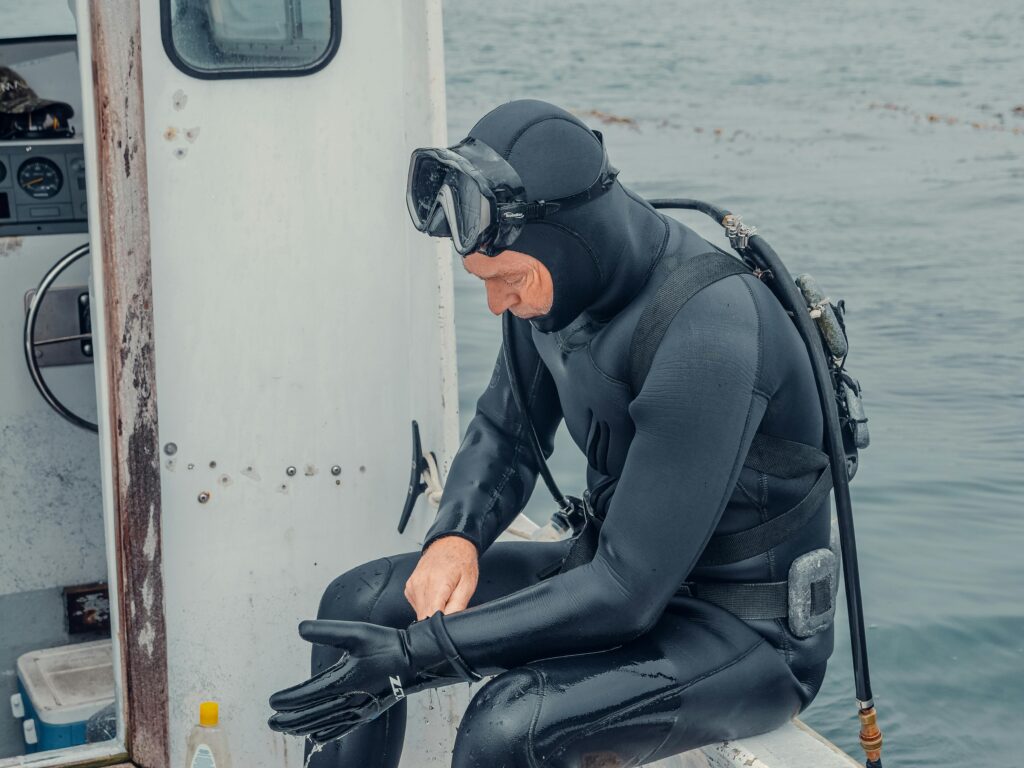
The easiest way to prevent nitrogen narcosis is to manage your depth and keep yourself in a relaxed, comfortable state underwater. Narcosis becomes stronger as pressure increases, so staying within your training limits is the most reliable way to avoid it.
Here are some simple ways to reduce the risk:
- Stay within safe depths: Follow the depth limit of your certification and only go deeper with proper training and supervision.
- Rest Up: Make sure you are well-rested and hydrated before you dive.
- Stay Warm: Wear the right wetsuit. Even in our warm Indonesian waters, a long dive can cool you down.
- Relax: Don’t work too hard underwater. Good buoyancy helps you stay calm and keeps your CO2 levels low.
- Keep good awareness: Know how narcosis feels for you. Early signs are often personal and repeatable, so noticing them quickly helps you respond sooner.
Take Control of Your Deep Dives

Taking control of your deep dives begins with understanding what is happening to your body underwater. Knowing what narcosis is, how it develops, and how to respond gives you the clarity and confidence to handle depth safely.
With the right awareness and good habits, you can stay calm, make clear decisions, and enjoy the deeper parts of your dive without feeling overwhelmed.
At Solitude, your safety and comfort guide every dive we plan across all our destinations. Our PADI-certified dive guides choose sites that match your certification level and keep a close and caring watch throughout the dive to prevent any mishaps.
After a full day in the water, you can return to your cozy villa or liveaboard, rinse off, and enjoy a warm home-cooked meal prepared just for you. It is the kind of thoughtful care that lets you settle in, breathe out, and enjoy your diving holiday with complete peace of mind.
Book your stay with Solitude and enjoy a diving experience that feels effortless from start to finish!