
Diving is one of the best adventures you can have. You get to explore underwater wonders, meet tiny critters, glide over reefs, and even swim through old wrecks. It feels completely different from anything on land.
But even the best adventures need a bit of care. The ocean is beautiful, yet we still need to follow rules that keep us safe while enjoying nature’s beauty.
Here are 10 essential tips to help you stay safe and confident underwater.
1. Dive with a Buddy

Diving feels a lot more enjoyable when you share the experience with someone you trust. Your buddy is your backup life support, your extra pair of eyes, and your witness to that incredible Blue Ring Octopus you met.
Remember to stay close enough to reach each other within two seconds. In low visibility or on a night dive, this is even more critical. Good buddies check on each other frequently, not just when there is a problem. Plus, two divers searching the sand find twice as many critters.
2. Do Your Pre-Dive Safety Check (Use BWRAF)
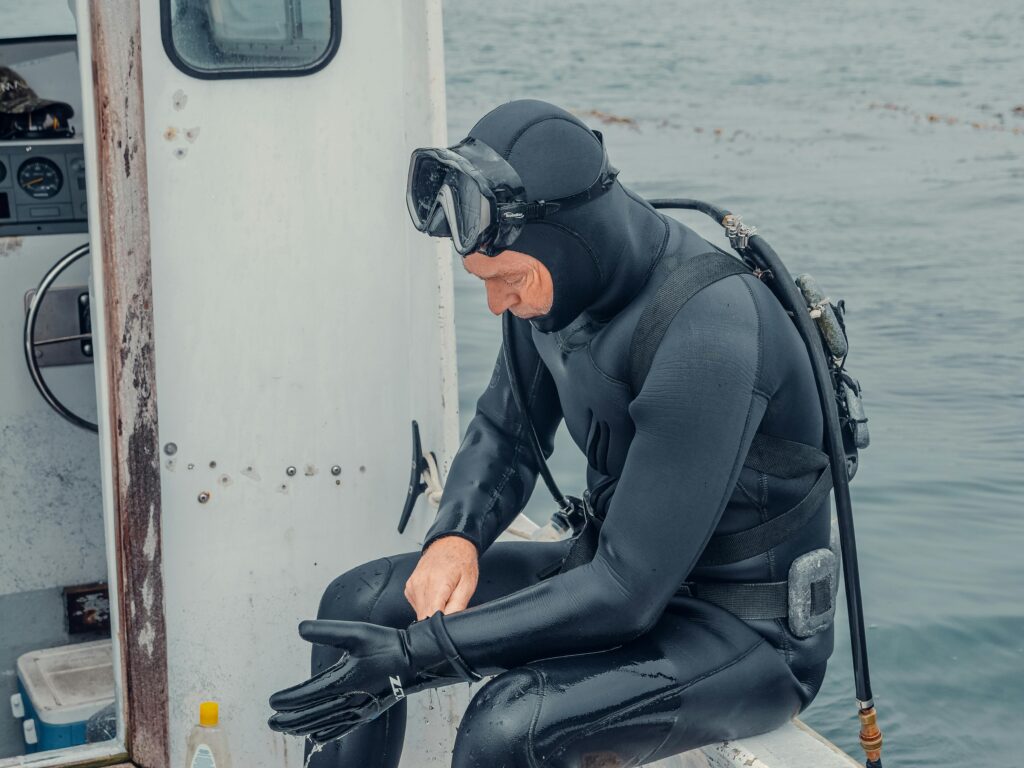
A good dive starts long before you enter the water. Taking a moment to check your gear and your buddy’s setup helps prevent small issues from turning into big problems. The BWRAF check is a simple way to make sure everything is working the way it should.
Below is an easy walkthrough of what each step covers.
B – BCD
Make sure your BCD inflates and deflates smoothly. Test the power inflator, the oral inflator, and the dump valves. If your buddy uses different gear, take a moment to understand how it works in case of an emergency.
W – Weights
Confirm that both you and your buddy have the right weights in place. Tug gently on integrated pockets to ensure they are locked in. If someone uses a weight belt, check the quick release and make sure nothing is blocking it.
R – Releases
Look over all clips, straps, and buckles. Make sure they are fastened properly and not tangled with hoses. Do this check on your buddy, too, so you both know how each other’s gear opens in an emergency.
A – Air
Take a few slow breaths from your regulator while watching the pressure gauge. The needle should stay steady. Then test your alternate air source and make sure the tank valve is fully open. If you are diving nitrox, check that your tank has been analyzed ahead of time.
F – Final OK
Gather the last pieces of gear, like your mask, fins, and dive computer. Secure anything that hangs loosely, and then give each other one last scan from head to toe to confirm everything is ready.
Continue reading: Diver Safety Guide: Essential Checks and Tips for Every Dive
3. Plan Your Dive, Dive Your Plan
“Plan the dive, dive the plan” is one of the simplest habits that keeps every diver safe. Before you enter the water, take a moment with your guide or buddy to walk through the details together.
Some that you can try are:
- Maximum depth: How deep are we going?
- Bottom time: How long will we stay?
- Turnaround pressure: When do we head back?
- Signals: Are there any special hand signs we will use?
A good plan will keep everyone on the same page and help avoid surprises. And with a clear plan, you and your buddy will be able to explore with confidence and stay fully present in the moment.
4. Master Hand Signals and Communication Cues
We can’t talk underwater, so your hands do the talking.
Before each dive, take a moment to review the essential signals with your buddy or guide. Learn how to say things like “OK,” “Up,” “Down,” “How much air do you have,” “Look here,” and “Stop.”
While diving with Solitude, you can always ask your guide for a quick refresher or to clarify any signal you are unsure about. A few extra seconds on the surface can keep the whole dive adventure safer and comfortable for everyone.
5. Practice Your Buoyancy
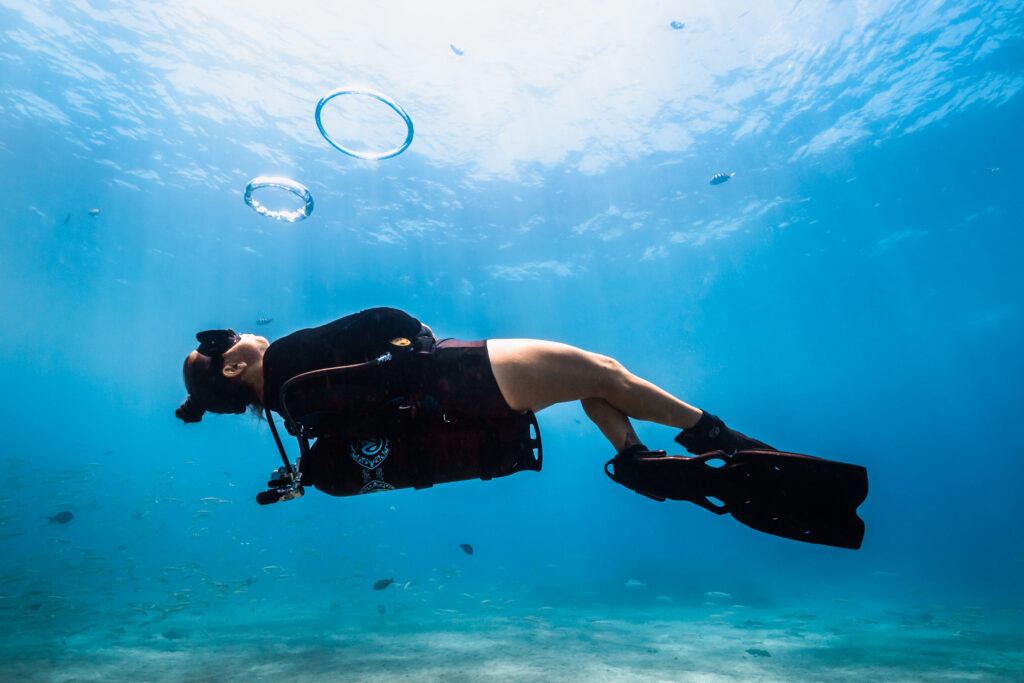
Good buoyancy will make every dive feel more controlled and effortless. When you start getting it right, you will begin to glide without effort and settle into the water in a way that feels almost weightless.
Try to stay off the bottom so you do not disturb sand or silt. Use your breathing to make gentle adjustments instead of relying only on your BCD.
With the right amount of weight and balanced trim, you will move through the water more naturally and see more of the things you came to enjoy.
6. Respect Marine Life
We are guests in their home. The rule is simple: Look, but don’t touch.
Touching marine life could cause harm to both you and them, so keep your distance and move with care. Be mindful of your fins, camera, and lights, especially when you get close for a better look. Gentle, aware diving will help keep every creature safe for the next person who visits.
Also read: Ethical Diving: A Diver’s Role in Protecting the Ocean
7. Ascend Slowly and Safely
The end of the dive will often be the moment that requires the most awareness. Rising too quickly will increase your risk of decompression sickness, so take your time when heading back to the surface.
A gentle pace will give your body the chance to release dissolved gases in a safe way. Before you complete your ascent, pause at a shallow depth for a short safety stop. This simple habit will help your body adjust, settle your breathing, and let you enjoy a calm moment before you surface.
8. Monitor Air and Depth Regularly
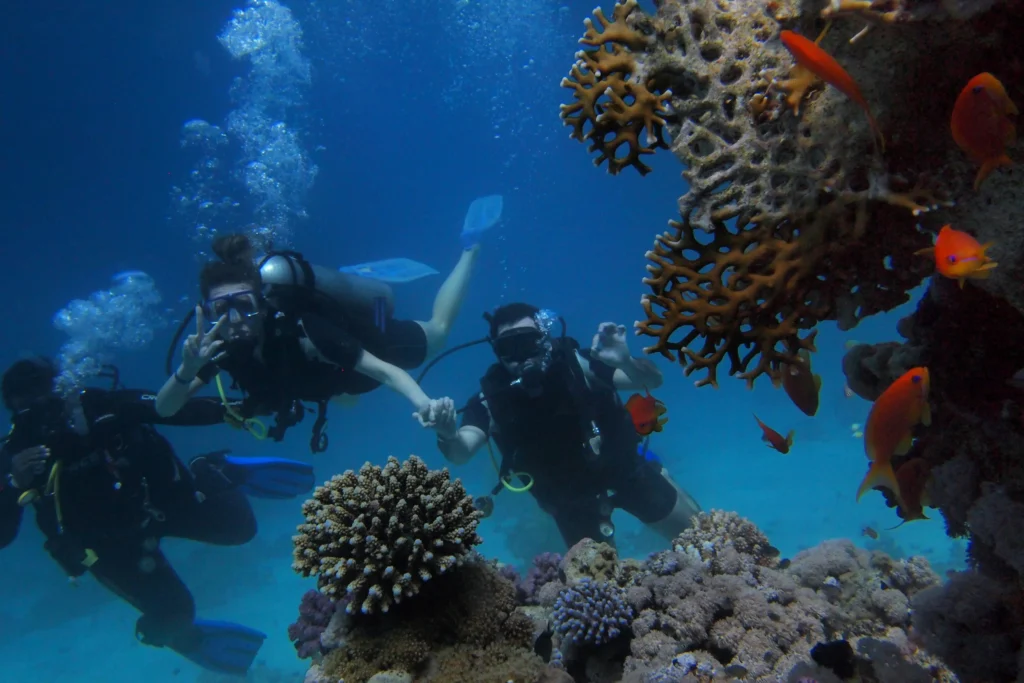
Make monitoring a habit. When you check your air and depth often, you will stay more aware of your surroundings and make better decisions throughout the dive.
Try to look at your readings whenever you spot something interesting or a change in the water. This simple habit will help you avoid surprises and keep your dive enjoyable.
9. Stay Physically and Mentally Fit to Dive
Diving is still a physical activity, so it helps to take care of yourself before you get in the water. Stay hydrated, avoid alcohol before diving, and get enough rest so your body feels ready for the day. Little things like these will make a big difference in how comfortable you feel underwater.
It is also important to check in with yourself before every dive. If you feel off, tired, or unwell, it is always okay to sit one out. Listening to your body will keep you safe and help you enjoy every moment you spend underwater.
10. Be Prepared for Emergencies
We plan for the best, but we also need to prepare for the worst.
Start by learning the basics. Know how to help a buddy who suddenly needs air, how to release your weights if something goes wrong, and what to do if you become separated underwater.
These simple skills will give you the confidence to stay calm when plans change, and that confidence will help you make safer decisions for yourself and the people you dive with.
Ready to Try These Rules in Action?

Safe and enjoyable diving always begins with the basics. Once you understand these simple rules and start applying them, every dive will feel more rewarding.
And when you are ready to explore the ocean without worrying about the little things, Solitude is here to make every part of your experience smooth.
Whether you are exploring the black-sand slopes of Lembeh, the vibrant reefs of Anilao, the vast seascapes of Raja Ampat, or any of our other destinations, Solitude will always be ready to support your journey.
Our PADI-certified guides will help you feel relaxed from the moment you set up your gear to the final safety stop. After each dive, you can return to a cozy villa or unwind on one of our liveaboards while enjoying a warm, home-cooked meal prepared just for you.
Book your next adventure with Solitude today and let us welcome you home beneath the waves!