
Have you ever been on a dive and spotted a creature that looked beautiful, yet you were unsure if it was safe to get closer?
The ocean is full of animals that protect themselves with spines, stingers, or toxins, yet most actually prefer to avoid any contact. This is why understanding how these creatures signal danger helps you move through the water with more confidence and awareness.
Let’s discover how to spot the creatures you should be careful around so you can dive with clarity and ease!
What Makes a Species Dangerous or Venomous?
Danger in the ocean usually comes from how an animal defends itself rather than from direct aggression. Most sea creatures that carry venom use it to catch food or protect their bodies when they feel threatened.
Venom enters the skin through spines, teeth, or stingers, which is why many incidents happen by accident when a diver gets too close without noticing the creature.
Understanding how these animals behave helps you see why they prefer to avoid conflict. Many venomous species would rather stay hidden and rely on camouflage than use their energy on a sting.
How to Recognise Venomous Features
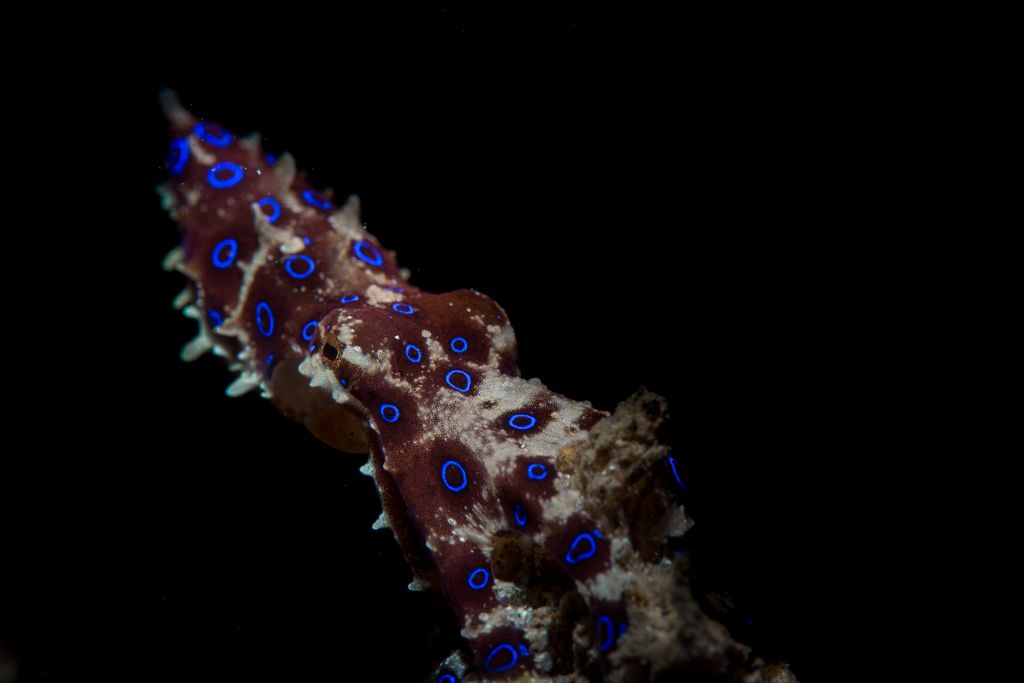
Many venomous animals use clear visual clues to show that they should not be touched.
Bright and contrasting colors are one of the easiest signs to notice. Shades of red, yellow, black, or electric blue often signal that a creature has strong defenses. When an animal moves slowly in the open and does not try to hide, it is usually relying on these colors to warn others to stay away.
Other dangerous animals take the complete opposite approach and hide in plain sight.
Some ocean species use camouflage so well that they look exactly like rocks, sand, or pieces of coral. Stonefish are a good example, and they can be very hard to see if you are not paying attention.
This is why watching the shape of the reef and noticing small details, like an unusual outline or a pair of eyes, will help you avoid accidental contact. With a bit of patience and awareness, spotting these hidden creatures will be easier and even enjoyable.
8 Common Dangerous & Venomous Marine Species
Once you know what signs to look for, spotting these unique marine life will be easy while still appreciating the beauty around you. Here are some of the most common venomous creatures divers often encounter and how to recognize them:
1. Sea Urchins
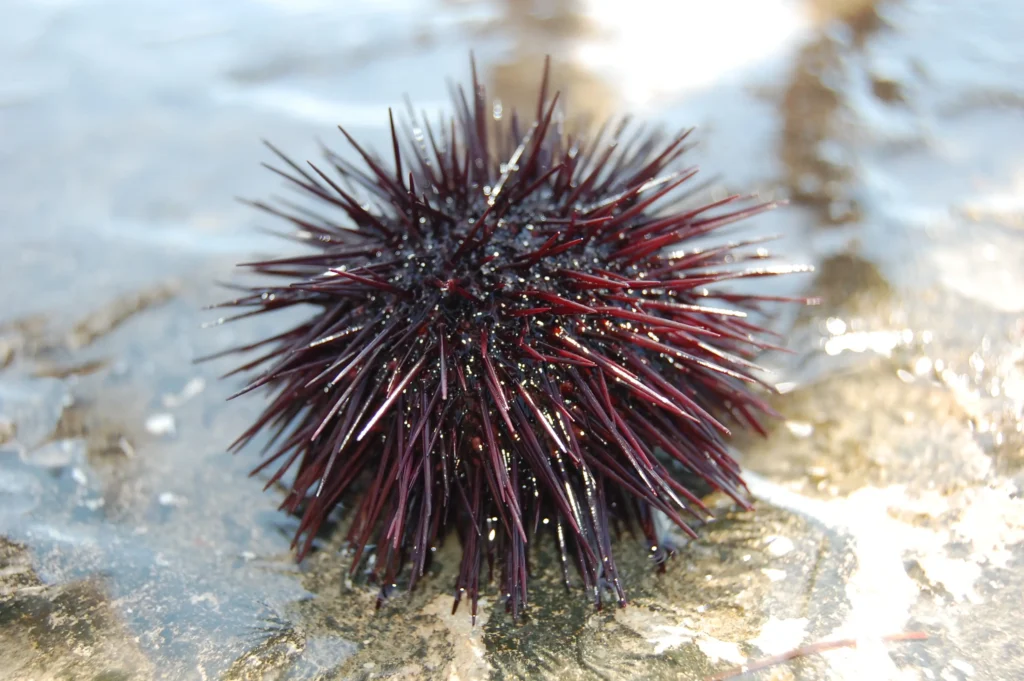
Sea urchins sit quietly on rocks, sand, or coral and rarely move far, yet they can still cause painful injuries. Their long spines can puncture the skin and may break off if stepped on or brushed against.
Some species also have venomous spines or pedicellariae, which can increase discomfort. Watching where you place your hands and feet, especially in shallow water or surge, helps you avoid unwanted contact.
2. Blue-Ringed Octopus (Hapalochlaena)
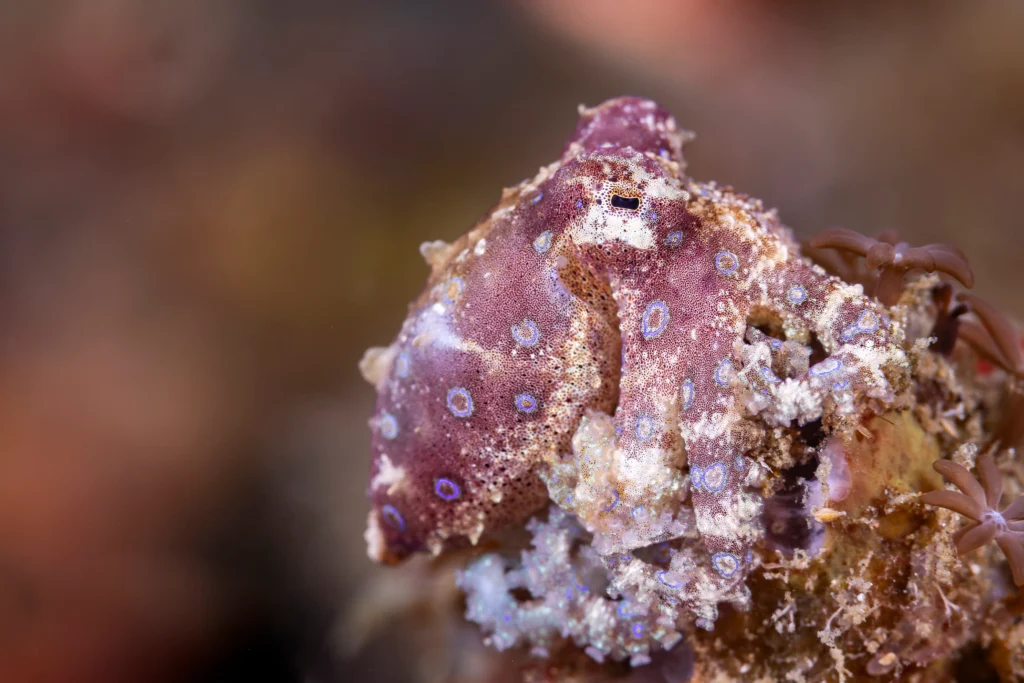
The blue ringed octopus is small, colorful, and a popular find for macro photographers. It usually stays beige or yellow when calm, which helps it blend into sand or rubble.
When it feels threatened, bright blue rings pulse across its body as a clear warning. The bite of this octopus contains a powerful neurotoxin, so spotting the rings early helps you keep a safe distance.
3. Lionfish (Pterois spp.)
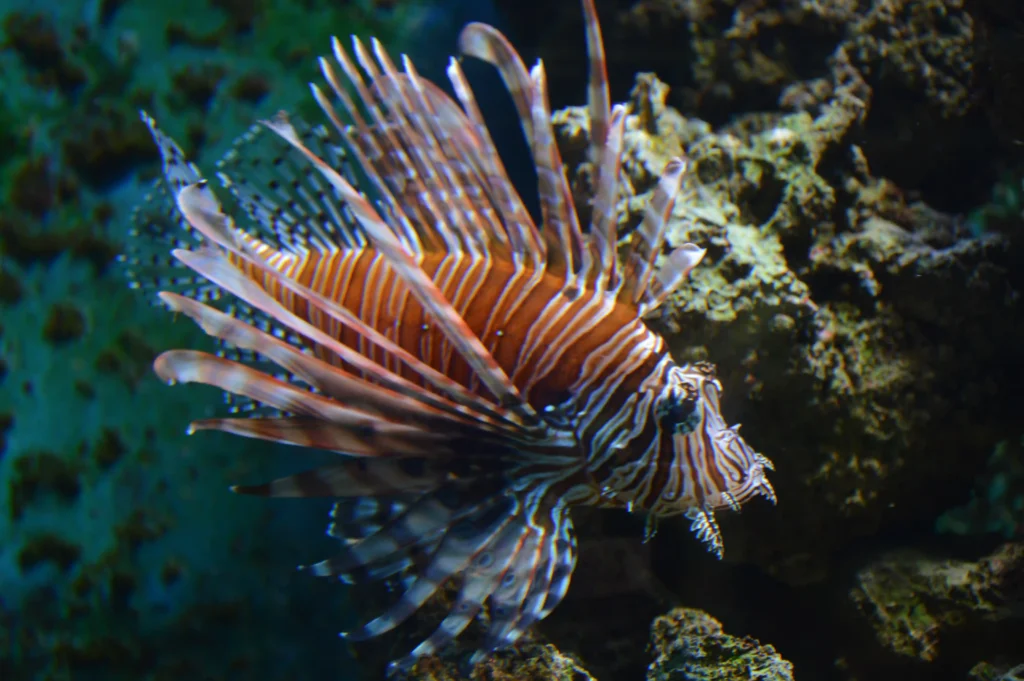
Lionfish are easy to recognize thanks to their long fins and elegant stripes. They often hover calmly around reefs and do not mind if divers come close.
Their dorsal spines, however, contain venom that can cause intense pain. Because of this, it is best to admire them from a little distance and avoid blocking their escape path.
4. Stonefish (Synanceia)
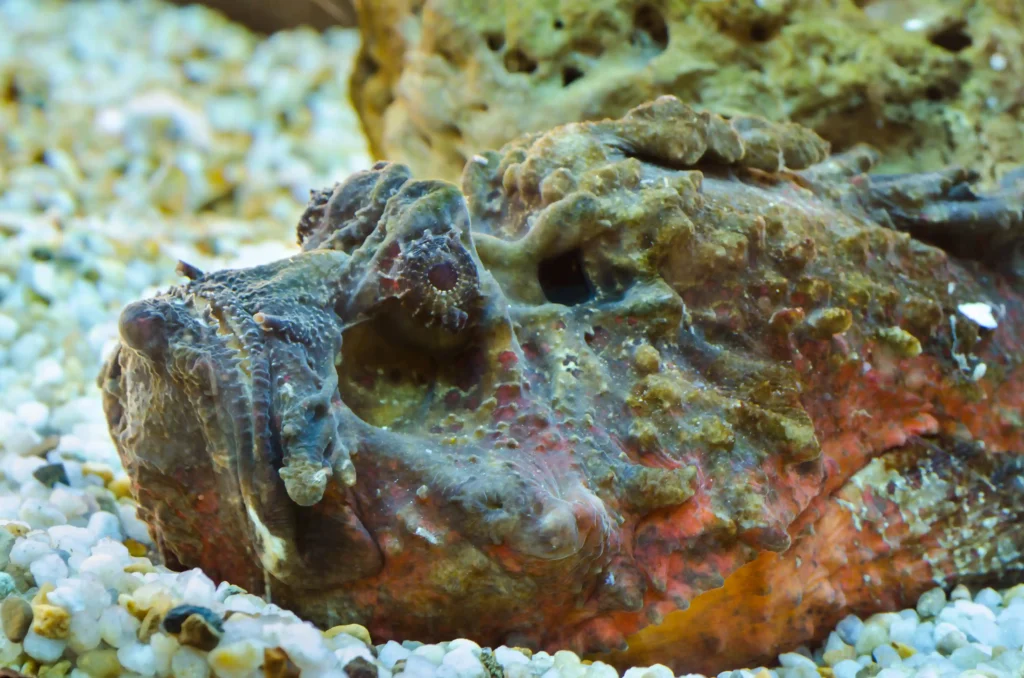
Stonefish are known for being the most venomous fish in the ocean. Their strength lies in how well they disappear into their surroundings.
They look exactly like rocks or pieces of coral and may even settle partly into the sand. If stepped on or touched, their sharp spines release a strong toxin, so careful finning and good buoyancy help you avoid accidental contact.
5. Scorpionfish (Scorpaenidae family)
Scorpionfish share many traits with stonefish, but they are slightly easier to spot. Their feathery skin and mottled colors help them blend into the reef while they wait for prey.
They usually rest quietly and rely on camouflage, which means the main risk comes from placing a hand or knee too close without noticing them. Slow movements and thoughtful positioning can help you avoid surprises.
Also read: Devil Scorpionfish: Behaviour, Habitat, and Safety Tips
6. Box Jellyfish (Chironex fleckeri)
Box jellyfish move with purpose and have better control than most drifting jellies, which makes them interesting but also important to avoid.
Their bodies are almost transparent, so they can be difficult to spot in open water. Their tentacles carry many stinging cells that react on contact, so if you notice one nearby, the safest choice is to keep a generous distance and let it pass.
7. Cone Snails (Conus spp.)
Cone snails are known for their beautiful, patterned shells, and it can be tempting to take a closer look. However, even though they appear harmless, they have a quick, harpoon-like tooth to deliver venom when they feel threatened.
They often rest in sand or shallow areas, so you might come across them without expecting it. If you see one, avoid picking it up or handling it.
8. Stingrays
Stingrays are generally calm and gentle animals that prefer to glide quietly along the sand. They only use their tail spine when they feel startled or stepped on, so most injuries happen by accident.
The best way to avoid surprises is to keep a little distance and watch where you place your feet, especially in shallow or sandy areas.
Safety Tips for Divers & Snorkelers
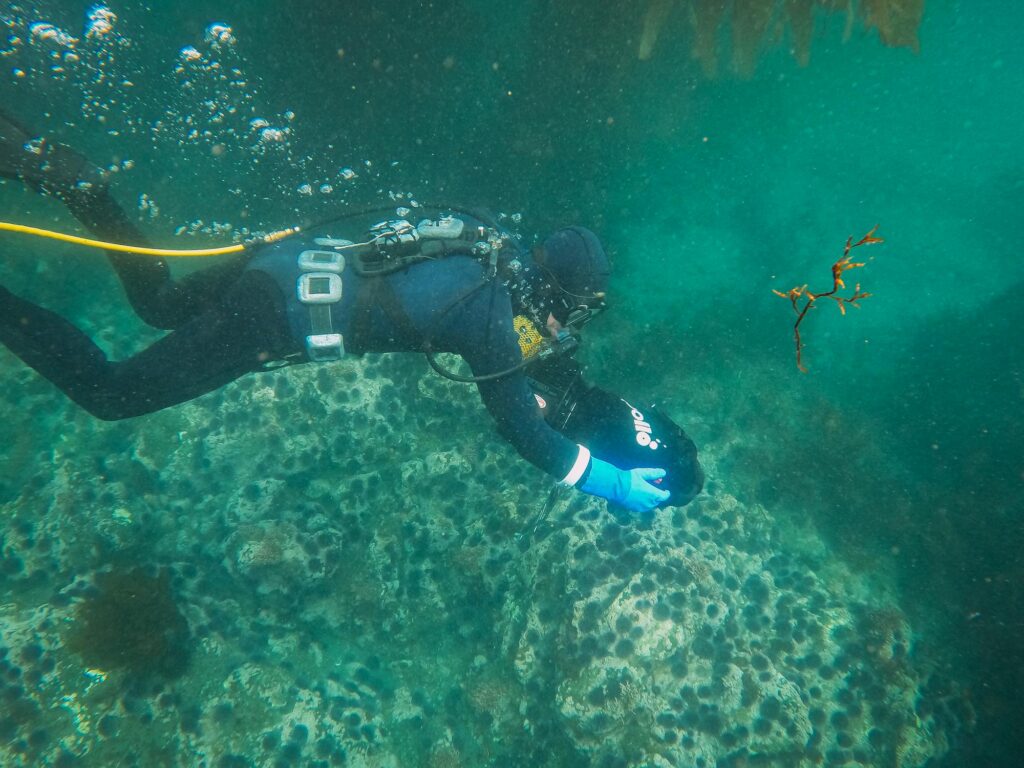
The most effective way to stay safe is to maintain a respectful distance from all marine life. This practice protects the delicate reef ecosystem and keeps you out of the range of defensive spines or teeth.
We encourage a “look but don’t touch” policy on every dive to keep you and your surroundings safe.
Good buoyancy control is your best defense against accidental injury. By maintaining neutral buoyancy, you avoid crashing into the reef where camouflaged creatures like stonefish hide.
Also, when diving in currents, such as those at Ulong Channel in Palau, using a reef hook properly ensures you stay stationary without grabbing live coral or hidden animals.
Wearing appropriate exposure protection adds a necessary layer of safety. Full-foot fins and diving booties protect your feet from stingrays or urchins in the sand.
Read more: Diver Safety Guide: Essential Checks and Tips for Every Dive
First Aid & Treatment for Stings or Bites
If a sting or bite happens, staying calm and knowing what to do can make a difficult moment much easier. These simple steps help you respond safely and confidently:
1. Leave the water safely
Tell your buddy what happened so they can stay close and support you as you exit the water. Move slowly and avoid sudden movements, which helps prevent further stress or injury. Once you reach the boat or shore, let the crew know right away so they can prepare to assist you.
2. Assess the injury
Take a moment to look at the affected area and note the shape, size, and type of discomfort. This small check helps you understand what kind of sting or bite you might be dealing with. Sharing this information with your buddy or crew can guide the next steps of care.
3. Use hot water for fish stings
For injuries from fish with protein-based venom, such as lionfish or stonefish, place the affected area in hot water.
Use the hottest water you can comfortably tolerate without burning your skin. The warmth helps break down the venom and eases pain, giving you relief while you wait for further help.
4. Use vinegar for jellyfish stings
If the injury is from a jellyfish, gently rinse the area with vinegar to neutralize any stinging cells that have not fired yet. Avoid rubbing the skin or applying fresh water because this can trigger more venom release. A gentle touch and steady breath will help keep the situation under control.
5. Seek medical help
Getting medical attention is the most important step, even if the injury seems small at first. After giving basic first aid, continue watching for changes in pain, swelling, or how the person feels overall.
Many marine stings can worsen over time, so professional care is essential to prevent complications. Reaching a clinic or doctor as soon as possible will give you the safest and most reliable path to recovery.
6. Respond quickly to severe reactions
If you notice signs like difficulty breathing, dizziness, or unusual swelling, treat it as an urgent situation. These symptoms can develop quickly, so fast action is important. Request immediate evacuation or help from emergency services so the person receives the attention they need.
Dive Smarter and Safer With Solitude
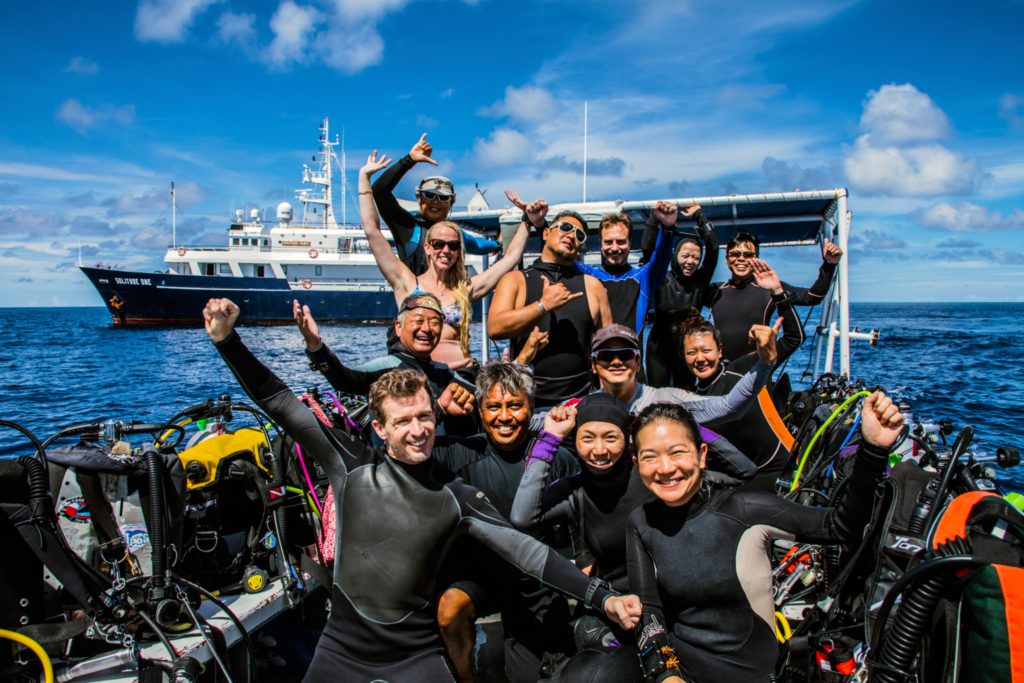
Exploring venomous and defensive marine species is all about building confidence and awareness underwater. When you understand how different animals protect themselves and how to move safely around them, every dive feels smoother and more enjoyable.
If you want to keep growing those skills with guidance you can trust, Solitude offers a diving experience that blends safety, comfort, and genuine care.
Our PADI-certified dive guides take the stress out of every dive day by sharing clear briefings, thoughtful support, and deep knowledge of the marine life around you.
After your dives, you can return to welcoming spaces, enjoy warm, home-cooked meals, and relax knowing that every detail of your stay is handled with attention.
Book your next diving adventure with Solitude and enjoy safe, relaxed, and meaningful dives!