
Are you looking to start diving but worry about age? Contrary to what many people might think, scuba diving for seniors has become increasingly common, with many divers beginning or returning to the sport well into their 60s and beyond.
With proper training, medical awareness, and thoughtful trip planning, age alone does not define who belongs underwater.
In this guide, we will cover everything senior divers need to know before getting into the water, including health considerations, training pathways, and equipment choices. Each section helps you picture how diving can remain a meaningful part of your life today, not a goal left behind.
The Benefits of Scuba Diving for Seniors
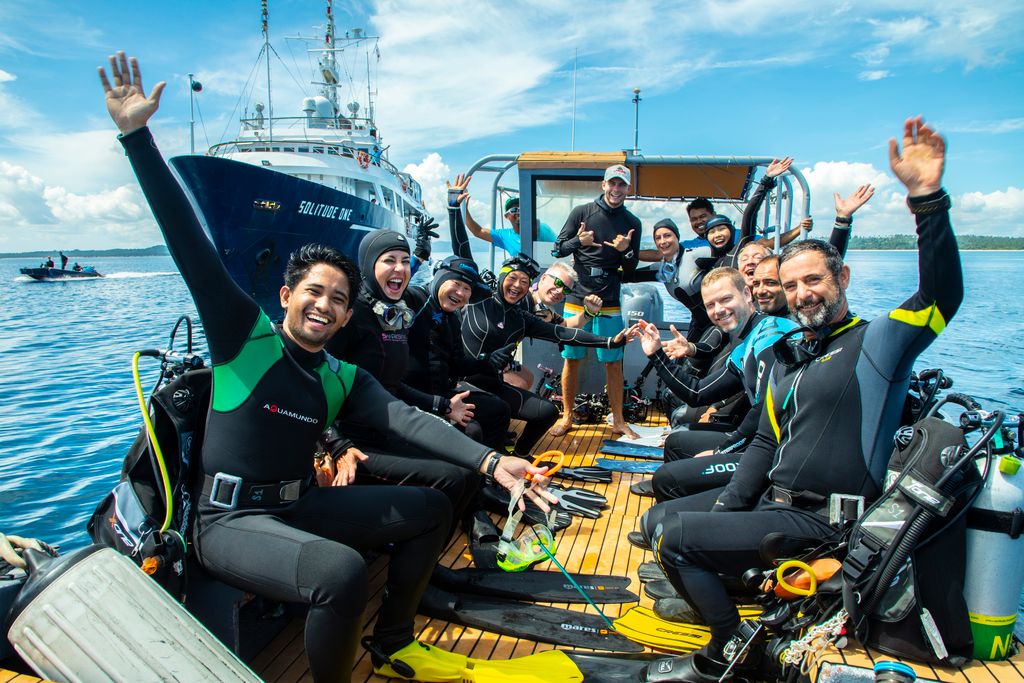
Scuba diving places the body in an environment where gravity loosens its grip, creating space for movement that feels easier and more natural. Water supports the body, slows every action, and encourages steady breathing, all of which contribute to physical ease and mental calm.
For many senior divers, the ocean becomes a place to move freely without pushing the body. You can notice several benefits, such as:
1. Low-Impact Cardiovascular and Heart Health
Underwater movement relies on slow fin kicks, controlled breathing, and relaxed pacing. These actions raise the heart rate gently, offering aerobic stimulation without repetitive impact on ankles, knees, or hips. If you’re a senior who finds land-based sports uncomfortable, diving provides sustained movement that feels smooth and manageable.
2. Joint Relief and Pain Management
Buoyancy reduces how much weight the body has to carry, easing pressure on the spine, hips, and knees. Movements that feel stiff on land often feel smoother underwater, letting joints move more freely with less discomfort.
3. Cognitive Sharpness
Diving engages the mind as much as the body. Planning a dive, monitoring depth and air, and maintaining buoyancy require focus and situational awareness. Learning or refining these skills brings a sense of achievement, while time spent underwater often lowers stress and clears mental clutter, leaving you feeling alert and grounded after surfacing.
Medical Preparations Before the Dive
Medical preparation matters for safe diving at any age, but it becomes especially important as we get older. Taking time for a proper health check helps you understand your limits, manage existing conditions, and approach each dive with confidence.
1. Dive-Specific Medical Clearance
A standard physical exam does not always account for the specific demands of diving. A physician who understands diving medicine knows how factors such as pressure, breathing gas, immersion, and physical effort affect the body underwater.
For older divers, this kind of assessment offers more practical guidance on fitness to dive, how medications may behave underwater, and how to manage risks in a marine environment.
2. Cardiovascular Fitness for Safe Diving
Cardiovascular health is a crucial element in diving safety, especially for older divers. Stress tests help show how the heart responds to physical effort and how much capacity remains during increased exertion.
Having this reserve allows divers to handle unexpected currents, longer surface swims, or demanding entries without overloading the body or increasing risk.
Essential Scuba Diving Gear for Senior Divers
With the right equipment, you can enjoy a dive that feels more effortless on your body rather than tiring. For senior divers, gear choices should reduce physical load, improve stability, and support relaxed movement in and out of the water.
1. Lightweight Buoyancy Control Device (BCD)
A well-fitted, lightweight BCD reduces strain on the shoulders and lower back, especially during entries and exits. Integrated weight systems remove the need for heavy-weight belts, helping distribute load more evenly across the torso. Underwater, simple inflation controls allow for small, precise buoyancy adjustments without constant effort.
2. Balanced Regulator Setup
The easier it is to breathe underwater, the more relaxed the entire dive becomes. A well-balanced regulator delivers air smoothly at depth, reducing breathing effort and helping maintain steady air consumption. Lighter second stages and flexible hoses also put less strain on the jaw and neck, which is especially helpful during longer or repetitive dives.
3. Fins Designed for Efficient Kicking
Fins with moderate stiffness provide propulsion without forcing powerful kicks. This reduces stress on ankles, knees, and hips while maintaining steady forward movement. Many senior divers prefer fins that favor shorter, slower kick cycles over speed.
4. Exposure Protection for Thermal Comfort
Staying warm helps maintain circulation and overall comfort underwater. A well-fitting wetsuit or semi-dry suit prevents heat loss while allowing free movement. Being comfortable in the water often means longer, calmer dives and better focus.
5. Mask with Wide Field of View
A low-volume mask with a wide viewing angle reduces the need for constant head movement. With clear visibility, you’ll find it easier to stay oriented and relaxed, particularly during slower reef dives. Comfort around the face also matters during longer bottom times.
6. Dive Computer with Clear Display
A dive computer with a large, high-contrast screen allows key information to be read at a glance. Simple menus and audible alerts reduce cognitive load underwater. This supports situational awareness without distraction.
Best Dive Destinations for Senior Divers
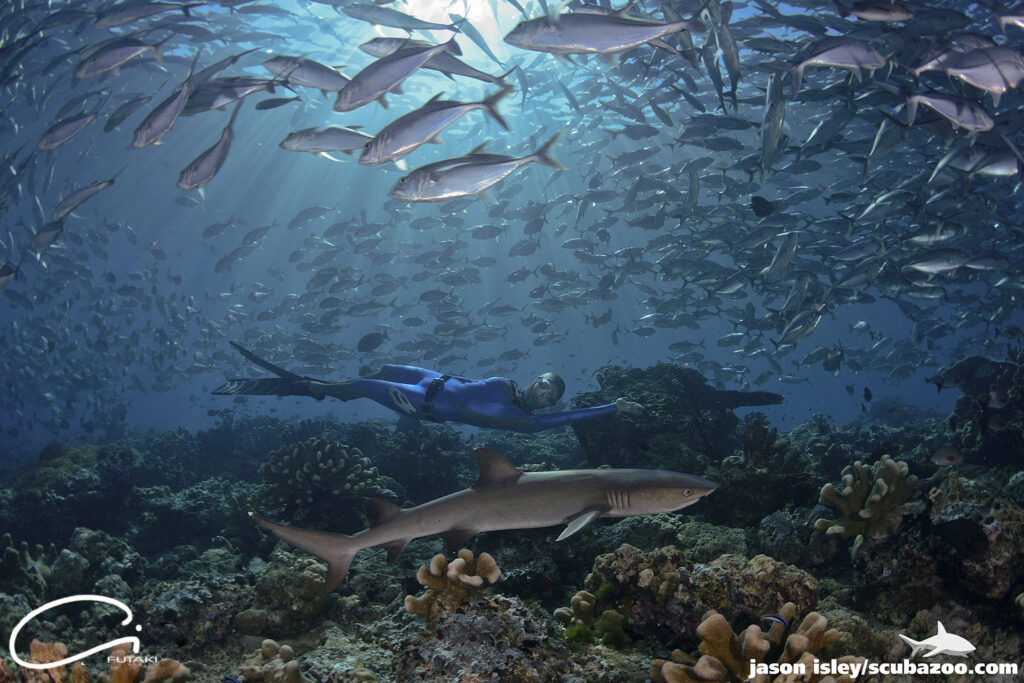
For older divers, choosing the right destination sets the entire diving experience. Warm water, gentle currents, high visibility, and easy access from airports help make days at sea feel effortless and more enjoyable. Below are some of the top diving destinations with the right conditions for senior divers:
1. Anilao, The Philippines
Anilao’s reputation comes from its calm dive sites and close location to Manila’s airport, which means less travel stress and more time underwater.
Most local sites have mild currents or no current at all, and depths often stay shallow to moderate, making repeated dives feel more manageable for divers who want gentle water movement and long bottom times. Macro life here is prolific, so you can spend relaxed dives spotting critters instead of fighting water flow.
2. Lembeh Strait, Indonesia
Lembeh Strait is one of the world’s most celebrated muck‑diving destinations, and its sheltered waters keep most dive sites calm. The water here is typically warm, visibility is stable, and tidal flow tends to be gentle, allowing you to truly enjoy your time underwater and spot various creatures. This pace makes Lembeh appealing for seasoned explorers who want close‑up encounters and calm dives that reward attention to detail.
3. Palau
Palau offers a mix of dive experience, including its famous reef hook diving. This technique involves anchoring yourself to a rock so you can watch sharks and schools of fish float by without paddling.
However, getting into position to hook in can sometimes require swimming against a current. It is highly recommended that you dive with a seasoned guide who can assist you, and ensure your fitness level matches the site conditions before jumping in.
4. The Maldives
The Maldives is famous for its stunning atolls and clear waters. While the archipelago is known for strong currents in its channels (kandus), there are plenty of protected lagoons and inner reefs perfect for relaxed diving.
To dive safely here as a senior, choose a resort, liveaboard, or itineraries that caters specifically to “easy” or “lagoon” diving. This allows you to enjoy the vibrant marine life and warm water without battling the strong drifts often found in the channels.
Navigating Your Senior Dive Journey
Diving as we get older can come with new challenges, from physical strain to changes in vision or stamina. With thoughtful planning, adaptive equipment, and the right dive operator, you can manage these issuesand enjoy safe, comfortable, and rewarding dives.
Managing Physical Strain During Gear Donning
If lifting a traditional scuba tank strains your back or shoulders, there are several ways you can do to manage it. One of the most effective is trying the Avelo Dive System, a new lightweight technology that swaps traditional BCDs and weights with a Hydrotank and Jetpack, which cuts gear weight by around 30%.
Reducing Post-Dive Fatigue and Decompression Risk
If you are doing multiple dives over several days, consider using Nitrox (Enriched Air). While the scientific verdict is still out on whether Nitrox physically reduces fatigue, many divers report feeling less tired after using it. More importantly, Nitrox contains less nitrogen than standard air, which increases your safety margin and reduces the decompression stress on your body.
Navigating Limited Mobility and Boat Access
If knee or hip issues make ladders difficult, choose a liveaboard vessel with stable platforms or hydraulic lifts. These features let you get in and out of the water safely and effortlessly, without straining your body.
Addressing Vision Changes for Safety Monitoring
If reading small dive computer displays or pressure gauges is challenging, use a mask with prescription “gauge reader” lenses and an air-integrated computer with a high-contrast, oversized display. Clear, easy-to-read information helps you stay aware underwater without unnecessary stress.
Dive Easier with Solitude World

Solitude World makes exploring the underwater world more comfortable, safe, and enjoyable. Our liveaboards and resorts are designed with ease and accessibility in mind, with supportive, knowledgeable staff to assist at every step.
If you’re a senior diver, you’ll likely enjoy our Avelo System, which is available on select Solitude One itineraries and at Solitude Acacia Resort. Avelo improves the dive experience by reducing equipment weight, improving buoyancy control, and allowing smoother, more controlled movement underwater.
By combining cutting-edge dive technology with our supportive, service-oriented approach, Solitude World ensures that senior divers can dive with confidence, explore with freedom, and truly immerse themselves in the wonders of the ocean.
Additionally, our resorts are thoughtfully designed with wheelchair access in mind, making the dive experience easier for guests with limited mobility. This approach allows everyone, including seniors or those with mobility challenges, to enjoy the ocean and resort amenities comfortably and safely.