
Melibe colemani, commonly known as the Ghost Nudibranch, is one of the most elusive nudibranch species in the Coral Triangle. Known for its near-transparent body and unusual feeding behavior, it is highly sought after by macro divers and underwater photographers.
It doesn’t really stand out and prefers to blend into the reef so closely that it often appears part of the background. Its ability to disappear among soft corals, rubble, and silty substrates makes encountering them rare and memorable for most divers.
This guide explains what makes Melibe colemani unique, where it can be found with the greatest consistency, and how divers and photographers can approach the search with care and respect.
What Makes the Melibe Nudibranch (Ghost Nudibranch) Unique?
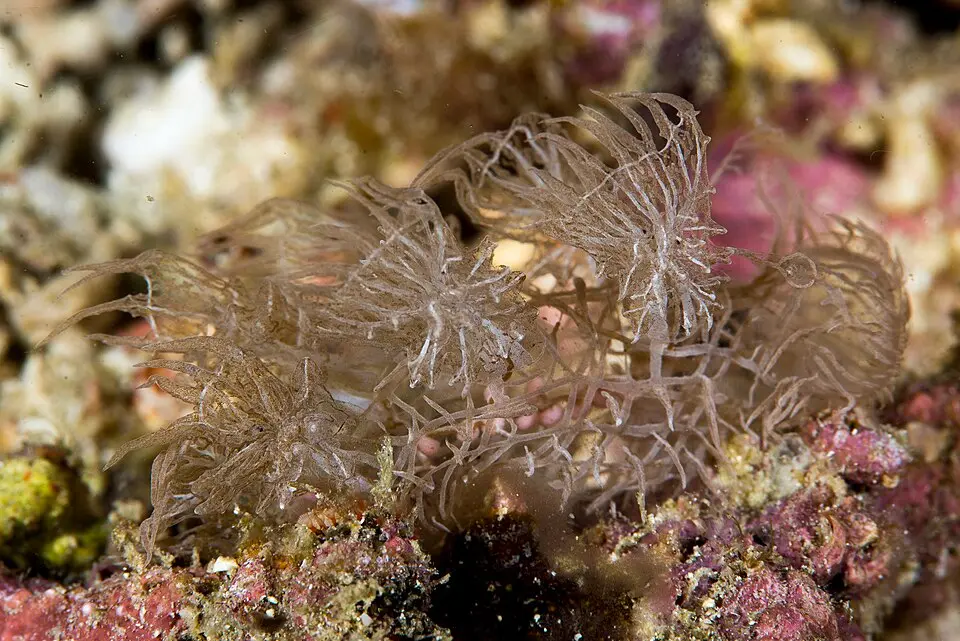
The Melibe colemani barely looks like an animal at all. Its body is loose, uneven, and almost completely transparent, with thin white or brownish lines visible inside that give it a fragile, skeletal appearance. On the reef, it is easily mistaken for debris or coral fragments.
This transparency is its main defense. By blending into shadows, soft corals, and broken reef structures, the Ghost Nudibranch hides in plain sight. It is often found among soft corals such as Xenia or Briareum, where its shape and internal patterns closely match the surrounding textures.
Its feeding behavior sets it apart even further. Melibe colemani belongs to the family Tethydidae and uses a specialized oral hood to feed, a strategy shared by only a few Melibe species. Instead of biting, it opens this wide, flexible hood as it moves and closes it when prey is detected, a slow and subtle motion that often goes unnoticed, even when the animal is actively hunting.
Where to Find Melibe colemani in the Wild
The Ghost Nudibranch is found within the Coral Triangle, but sightings are never guaranteed. It prefers calm, sediment-rich environments where it can blend into soft corals, rubble, and silty bottoms. Within Solitude itineraries, these locations offer the best chances to encounter Melibe colemani.
1. Lembeh, Indonesia
Lembeh Strait is shaped by slow muck dives and careful observation. Its sandy slopes and sheltered sites are well-suited for macro exploration, encouraging divers to take their time and look closely. In this setting, the Ghost Nudibranch fits naturally among the many rare and subtle subjects found here.
2. Romblon, Philippines
Romblon is widely regarded as the most reliable destination for Ghost Nudibranch sightings. Sediment-rich habitats such as the Logbon Mangroves and protected rubble slopes provide ideal conditions for Melibe colemani. With the right timing and local knowledge, encounters here happen more consistently than almost anywhere else.
3. Komodo Island, Indonesia
Komodo is better known for its big marine life, but sheltered bays and calmer sites also offer excellent macro opportunities. In these protected areas, Ghost Nudibranchs can occasionally be found among soft corals and silty substrates, especially during periods of reduced current.
7 Expert Tips for Photographing the “Invisible” Ghost Nudibranch
The Ghost Nudibranch can be tricky to photograph because its body is almost completely transparent. Light often passes straight through it, which means the background can appear brighter than the animal itself.
To get a clear and natural-looking image, it helps to pay attention to lighting, timing, and the nudibranch’s behavior. The following tips can help when photographing Melibe colemani:
1. Use Directional Side Lighting and Snoots
Side lighting helps bring out the nudibranch’s shape and internal details. By placing a snooted or tightly controlled strobe slightly to the side or above, light defines the edges of the oral hood while keeping the background clean and unobtrusive.
2. Lock Focus on the Rhinophores
The rhinophores offer a clear point of reference on an otherwise transparent subject. Using manual focus and focus peaking allows you to place sharpness exactly where the eye naturally looks, giving the image a clear anchor.
3. Use Backlighting to Reveal Internal Structures
Backlighting can gently highlight the nudibranch’s internal anatomy. A soft light placed behind the subject creates subtle contrast, allowing the digestive structures to appear more defined without overpowering the scene.
4. Time the Shot for Full Oral Hood Expansion
The Ghost Nudibranch moves slowly and predictably while feeding. Taking time to observe its rhythm makes it easier to capture the oral hood at its widest point, adding a sense of behavior to the image.
5. Create Dark Backgrounds Through Lighting Control
Controlled strobe angles and shutter speed help separate the nudibranch from its surroundings. By limiting ambient light and directing strobes inward, the subject stands out clearly while the background stays soft and calm.
6. Defeat Autofocus With Manual Technique
A fixed focus distance allows you to work smoothly at close range. Gentle forward and backward movement helps fine-tune focus, especially when working with high magnification and shallow depth of field.
7. Follow Strict No-Touch Ethics
Photographing the Ghost Nudibranch works best when its space is respected. Allowing the animal to move naturally results in more authentic behavior and images that reflect the quiet balance of its environment.
Ready to Capture the Ghost for Yourself?
The search for Melibe colemani is a quiet pursuit that rewards patience, observation, and respect for the reef. From understanding its transparent form to learning where it hides and how it moves, this journey is about noticing what is easy to overlook.
In places like Romblon, Lembeh, and Komodo, the Ghost Nudibranch turns a dive into a moment of discovery, where careful attention reveals one of the ocean’s most elusive residents.
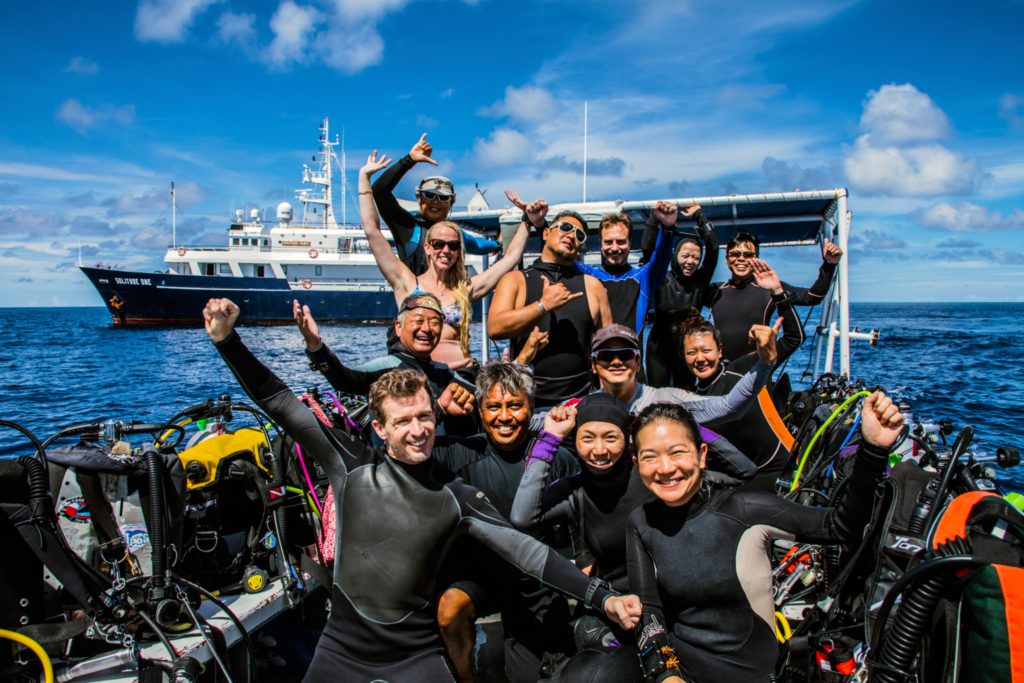
With Solitude, that experience is designed to feel effortless. Our PADI-certified dive guides handle the details underwater, helping dives flow smoothly and without pressure. After a day in the water, you return to comfortable spaces, unwind in cozy villas, and enjoy warm, home-cooked meals prepared just for you.
Book your next expedition and experience the quiet thrill of searching for the Ghost Nudibranch in its natural home!