
Have you ever found yourself just watching a manta ray drift by and thinking how unreal that moment feels?
Few underwater moments feel as exciting and unforgettable as this encounter. Their size is impressive, yet their movement feels calm and almost effortless.
But getting that perfect photo is not just about showing up with a camera. It takes timing, the right location, and an understanding of how these animals move and react. This guide will walk you through the best places and simple tips to help you capture manta rays with confidence.
Understanding Manta Ray Behaviour
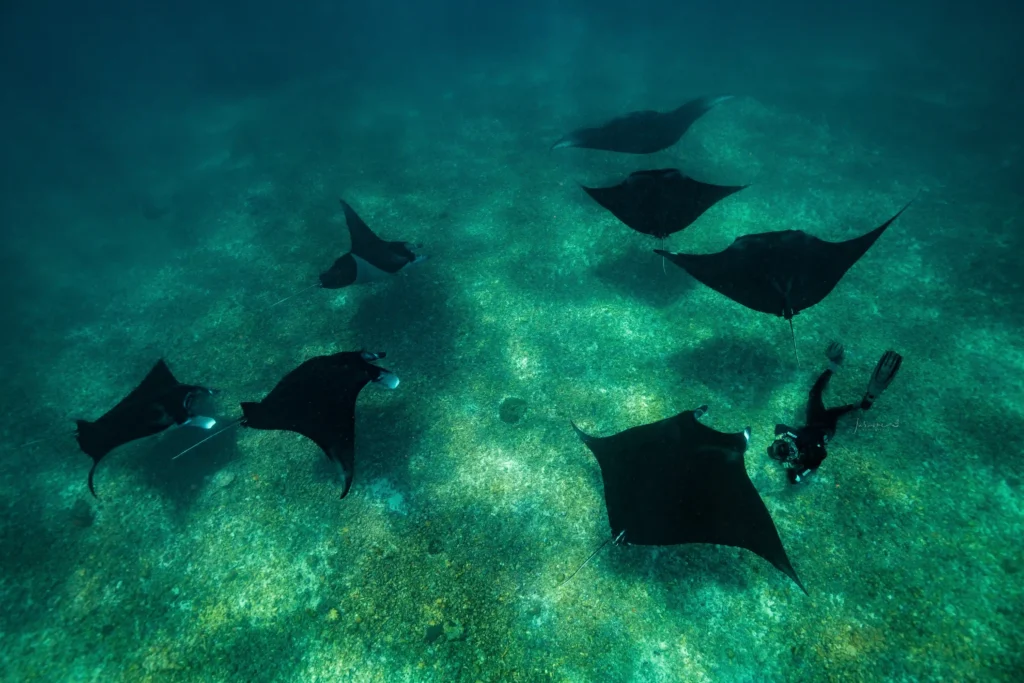
Manta rays react to how calm and predictable you are in the water.
When they feel safe, they move in smooth, steady paths and often return to the same area as they feed or get cleaned. Fast movement, chasing, or swimming straight at them can quickly break that rhythm. Meanwhile, staying still and letting the manta set the distance leads to longer, more relaxed encounters.
Their movement patterns also help you understand what they are feeling. Slow, wide turns by manta rays are often seen during relaxed feeding or cleaning behavior, while sudden direction changes can happen when they are disturbed.
By keeping your position low and your motions soft, you are allowing the manta to stay in control of the interaction. This small shift in approach often results in closer passes and better photo opportunities.
Also read: Differences Between Oceanic Manta Rays and Reef Manta Rays
5 Best Dive Locations for Manta Photography
The right location plays a huge role in your chances of successfully photographing manta rays. While they live across many tropical oceans, certain sites offer the visibility, depth, and manta activity that photographers really need.
Here are some locations where manta encounters are frequent, and photography conditions are especially favorable:
1. Raja Ampat

Raja Ampat is one of those places that seems like it’s made for manta photography. Both reef mantas and oceanic mantas glide through famous sites like Misool and Blue Magic, often against bright coral backdrops that make every shot pop.
From October to April, plankton blooms bring in more mantas, which means more action for your camera and more chances to frame that perfect pass.
Raja Ampat is even more special in how close the encounters often feel. It is not uncommon for a manta to circle slowly and lock eyes with you for a moment that feels unreal. It is the kind of experience that is unforgettable even long after the dive is over.
Read more: The Complete Guide to Scuba Diving in Raja Ampat, Indonesia
2. Palau
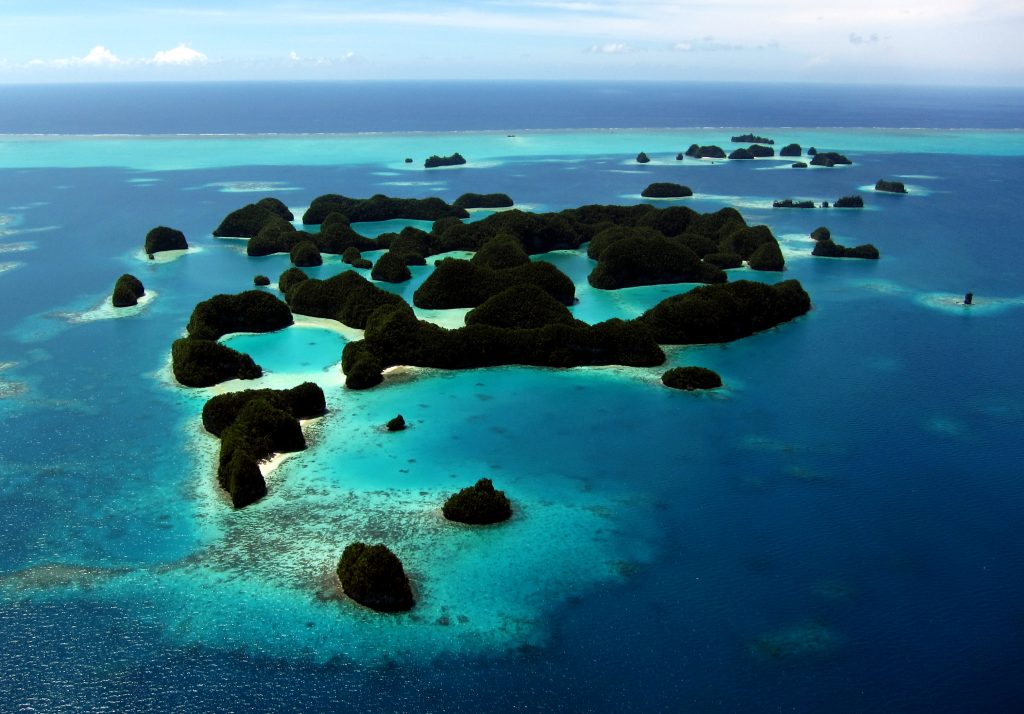
Palau is a favorite for underwater photographers who want steady manta encounters in clear, open water.
The German Channel is especially well known as a cleaning station where mantas return again and again, giving you multiple chances to work on your shots. Blue Corner nearby adds movement and life to the dive with its steady currents and large reef fish.
Photography in Palau is even easier with the local expertise. Guides understand the tides and currents that guide manta movement and position divers where the action is most likely to happen. With a little patience, you often get a manta swimming straight toward your camera.
3. Komodo National Park
Komodo National Park is one of Indonesia’s top spots for photographing manta rays, especially if you enjoy wide-angle scenes filled with movement. At sites like Manta Alley, it is common to see large groups of mantas gliding through the water together, sometimes more than ten at a time.
This will give you the rare chance to capture multiple mantas in a single frame, often with beautiful light and open blue backgrounds.
What makes Komodo even better for photography is how the dives are guided by local guides who pay close attention to current, timing, and group positioning, so you stay safe while still getting great angles.
By placing you at the edge of the action instead of in the middle of it, mantas often pass naturally through the scene, creating clean and balanced photo opportunities.
4. Maldives
The Maldives is one of the most reliable destinations in the world for manta ray photography, especially during plankton-rich seasons. Cleaning stations and channel dives create steady opportunities to see mantas looping gracefully through the water, often in clear blue conditions that make composing wide shots easier.
During peak months, you may even find yourself surrounded by several mantas at once.
The Maldives is especially friendly for photographers with the predictable behavior of the mantas at these sites. When you stay low and let the scene unfold, mantas often pass again and again along the same path. This gives you time to adjust your framing, experiment with angles, and wait for that perfect open-wing moment.
5. Kona, Hawaii
Kona is famous for its unique manta encounters, especially during night dives where mantas feed near the surface. Underwater lights attract plankton, and the mantas follow, creating slow, glowing passes right in front of your lens. The contrast between dark water and bright light makes for striking and dramatic photo opportunities.
Kona is special in how close and consistent the encounters can feel. By holding a steady position near the light source, you often get repeated passes at close range. This setup allows you to focus fully on timing, composition, and behavior without constantly repositioning yourself.
Ethical Ways to Photograph Manta Rays

Great underwater photography begins with respect. That starts with keeping your distance and resisting the urge to chase. When you stay low, move slowly, and remain still, mantas often grow curious and choose to pass close on their own, leading to more natural, relaxed photo moments as you blend into the scene.
Strong buoyancy control is just as important as camera skill since you need to hover steadily without touching coral or rising too quickly. Gentle finning and slow arm movements help keep both the reef and the manta at ease.
By following this people-first and nature-first mindset, you help protect the animals and ensure these encounters remain possible for future photographers.
Safety Tips to Photograph Manta Rays
Manta rays are often found in areas with strong currents because that is where their food gathers, but these conditions can be demanding for photographers.
Here are some tips to keep in mind while diving around Manta rays:
- Stay aware of the current direction at all times so you do not drift into the mantas or the reef
- Keep a steady distance and avoid swimming above or directly in front of a manta
- Secure your position before shooting, so you are not fighting the water while using your camera
- Watch your air supply closely since working in the current increases air consumption
- Stay close to your guide and follow their positioning signals during the dive
Take Memorable Manta Ray Pictures with Solitude

Manta ray photography is a rewarding balance of timing, awareness, and respect for the ocean. From learning how mantas move, to choosing the right destinations, and applying safe, thoughtful diving habits, every part of the process shapes the final image.
With Solitude, we make sure you can enjoy every moment without added stress. Our PADI-certified dive guides take care of positioning, currents, and safety in the water, so you can focus fully on your photography.
After a full day of diving, we welcome you back to the comfort of our cozy villas, where a warm, home-cooked meal is prepared just for you, creating the perfect balance between adventure and rest.
Book your next manta ray photography escape with Solitude and turn every dive into a moment worth capturing!