
Scuba diving gives us an opportunity to see a world few people ever experience. We had the chance to encounter diverse marine life and admire the beauty of the underwater ecosystem around us.
However, alongside the excitement comes the responsibility to understand how our bodies react underwater.
One of the most common safety risks in scuba diving is the bends. While most divers may never experience it, knowing how it happens and how to avoid it is an important part of safe, confident diving.
Keep reading to learn what it is, why it happens, and how to prevent it so you can dive safely and confidently.
What are The Bends in Scuba Diving?
The bends, also known as decompression sickness, happen when dissolved gases in the body form bubbles as a diver ascends too quickly. These bubbles can affect joints, muscles, the nervous system, and other tissues.
Most divers learn about this early in their training, and for good reason. It isn’t common, but understanding it helps you make thoughtful decisions during a dive.
With proper planning, controlled ascents, and safe diving habits, the risk of developing the bends can be greatly reduced.
What Causes The Bends?
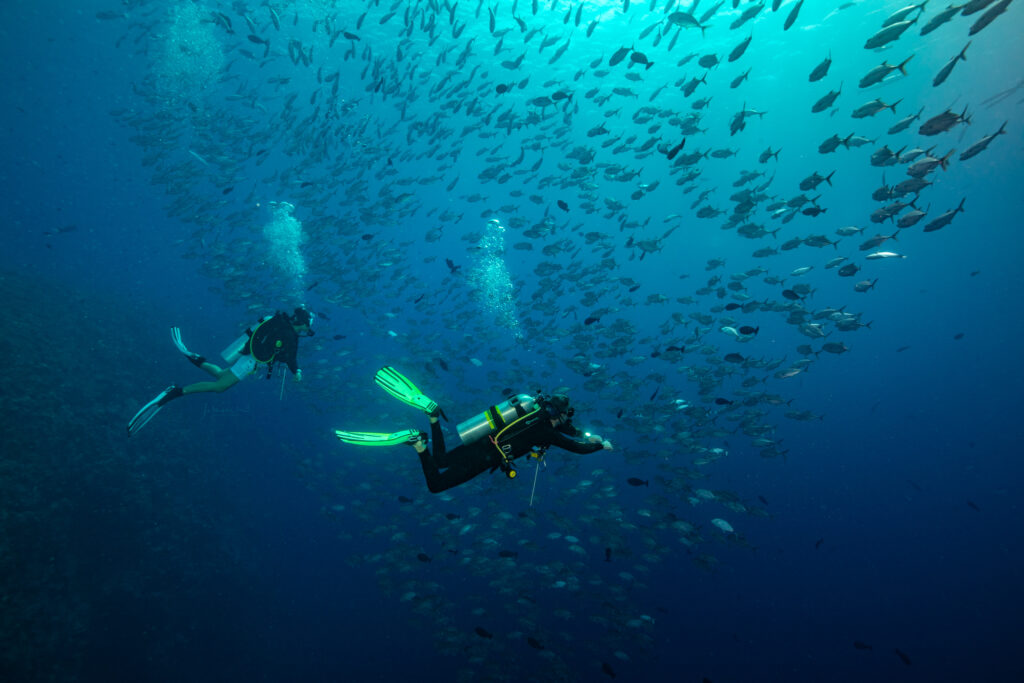
When you dive, the surrounding pressure increases, and your body absorbs extra nitrogen from the air you breathe. This process is normal and expected. The challenge comes during ascent.
That nitrogen needs time to leave the body gradually. If the ascent is too fast or a diver stays deep for a long time, nitrogen can form bubbles instead of exiting smoothly.
An easy way to imagine this is a can of soda. Open it slowly, and the bubbles release gently. Open it quickly, and everything fizzes at once. The body reacts in a similar way when nitrogen comes out too rapidly.
Factors That Influence The Risks of The Bends
Understanding the cause is one thing, but knowing what increases the risk makes the picture clearer. A few elements play a big role in how the body handles nitrogen underwater and during ascent.
Depth and bottom time:
- The deeper you go and the longer you stay, the more nitrogen your body absorbs.
- Longer or deeper dives require more careful ascent planning.
Ascent rate:
- Ascending too quickly does not allow nitrogen enough time to leave the body safely.
- Slow, controlled ascents and safety stops help reduce this risk.
Dive profile:
- Multiple dives in one day or repeated days of diving increase nitrogen load.
- Planning surface intervals gives the body time to off-gas.
Environmental and personal factors:
- Cold water, dehydration, fatigue, and strenuous activity may affect how efficiently the body releases nitrogen.
- While these factors do not directly cause the bends, they can make the body more vulnerable.
Symptoms of the bends
The bends can show up in different ways, and symptoms don’t always appear immediately after a dive. Some divers notice signs within minutes, while others may feel something hours later.
Being familiar with these symptoms helps you recognise when something doesn’t feel right, both in yourself and in your dive buddy.
Mild symptoms:
These early signs are usually the most common and can sometimes be easy to dismiss.
- Dull or persistent joint or muscle pain
- Unusual tiredness or fatigue
- Skin itchiness, redness, or a mottled rash known as “skin bends”
Even if these feel mild, they shouldn’t be ignored, especially after a recent dive.
More serious symptoms:
If nitrogen bubbles affect the nervous system, lungs, or circulation, symptoms can become more noticeable or concerning.
- Dizziness, blurred vision, or headache
- Numbness, tingling, or weakness in arms or legs
- Difficulty breathing or chest discomfort
- Confusion, slurred speech, or trouble walking
These symptoms require immediate attention.
If you or your buddy notice anything unusual after a dive, speak up early instead of waiting to see if it goes away. Quick action can make a significant difference in treatment and recovery.
How to Prevent The Bends While Diving
The most reassuring part about the bends is that it’s largely preventable with good habits and thoughtful dive planning.
Most recreational divers follow these diving safety practices from the very beginning of their training, and they quickly become second nature.
Plan your dive carefully:
- Use a dive computer or tables to plan depth, bottom time, and ascent.
- Stick to your plan and avoid pushing limits just for “one more minute.”
- Take a moment before each dive to review your plan.
Ascend slowly and include safety stops
- A controlled, gradual ascent gives your body time to release nitrogen safely.
- A standard safety stop at 5 meters for around 3-5 minutes adds an extra layer of protection. Think of this part of the dive as part of the experience, not just a requirement.
Look after your body
- Stay hydrated and avoid alcohol before and between dive days.
- Take breaks between dives to allow off-gassing. Small lifestyle choices can support your body’s ability to handle pressure changes.
Build experience gradually
Training and practice play an important role in reducing risk. As you explore deeper or more complex dives, proper certification and supervision matter.
Treatment and Recovery
If signs of the bends appear, the most important thing is to act early. Quick response and proper care greatly improve outcomes, and many divers make a full recovery with the right treatment.
Immediate actions:
- Stop diving right away and avoid further depth or activity.
- Signal for help and breathe 100 percent oxygen if it’s available.
- Stay hydrated and monitor symptoms while contacting emergency medical services or a dive emergency hotline.
Early recognition and calm decision-making can make a real difference in how quickly symptoms improve.
Professional treatment
Most confirmed cases of decompression sickness are treated with hyperbaric oxygen therapy, also known as recompression in a chamber.
Inside the chamber, pressure is increased to help shrink nitrogen bubbles, and high-concentration oxygen is delivered to support healing. With timely treatment, many divers recover well and experience improvement within hours.
Recovery and returning to diving
After treatment, rest and hydration are important. You should always get medical clearance before planning another dive. Returning too soon can put additional stress on the body and increase the risk of recurrence.
Staying Safe and Confident Underwater

Understanding the bends is part of being a thoughtful and well-prepared diver. The more you know about how your body responds to pressure, the easier it becomes to make safe decisions underwater and at the surface.
Slow ascents, good communication, proper dive planning, and ongoing training all play an important role in reducing risk. These habits aren’t just safety rules. They help you enjoy every dive with more comfort and confidence.
At Solitude World, safe diving is part of how we operate. We have experienced PADI-certified dive guides on board and a small diver-to-guide ratio, so every dive is planned with attention, awareness, and care.
What are you waiting for? Book your next diving adventure with us here today!